Survive the Dragging That Splits Cheaper Bins
The 32-gallon round bin rides on a reinforced base, rated 4.9 stars across 22 verified reviews after daily drags over concrete.
Commercial foodservice & janitorial equipment
You've replaced cracked bins and rusted sinks every season, and you've stopped trusting the word heavy-duty. Krollen answers with crack-resistant resin cans, 16-gauge Type 304 stainless sinks, and NSF-certified storage rated up to 4.9 stars across roughly 142 verified buyer reviews.

Thin walls and uncertified plastic drain the maintenance budget. The fixes below target the failure points that send operators back to the store.
The 32-gallon round bin rides on a reinforced base, rated 4.9 stars across 22 verified reviews after daily drags over concrete.
Toss a heavy stockpot into the 16-gauge Type 304 sink and the basin shrugs it off, where thin 18-gauge bowls dent and trap grime.
The 30-lb interceptor holds a 15 GPM flow rate, meeting kitchen code so the inspector signs off instead of writing a citation.
Crack-resistant resin and a reinforced base end the spring ritual of hauling split cans to the dumpster and ordering more.
Picture the last table bussed by nine: two bus tubs per cart shelf move a full dish pile in one trip, not three.
Replaceable casters and a 30-day return window mean a worn wheel costs a part, not a new 450-lb cart.
Match the bin, sink, table, or appliance to your traffic and the load it carries every shift.
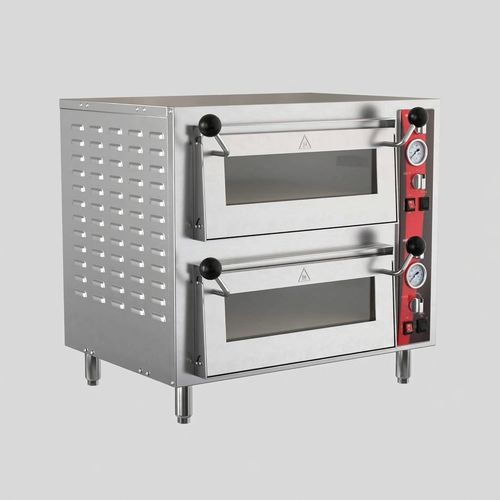
Bake an 18-inch crust at 550 in the bottom deck while the top proofs dough at 400, each chamber on its own controls. The cordierite deck sets a thin crust in 6 to 8 minutes on a 240V line.
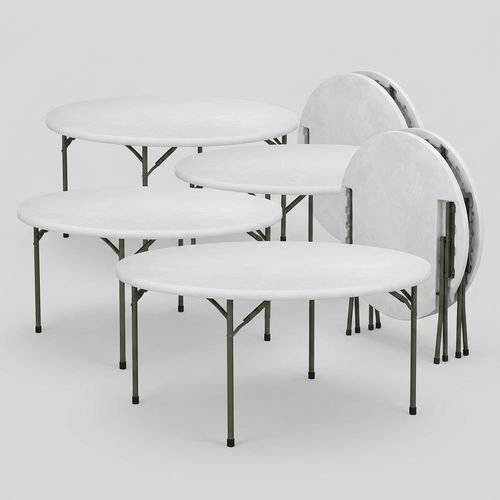
Seat 40 to 50 guests across a 5-pack of 60-inch rounds, then fold the legs flat for the storage closet. The powder-coated steel frame resists cracking and rust through indoor and outdoor events.
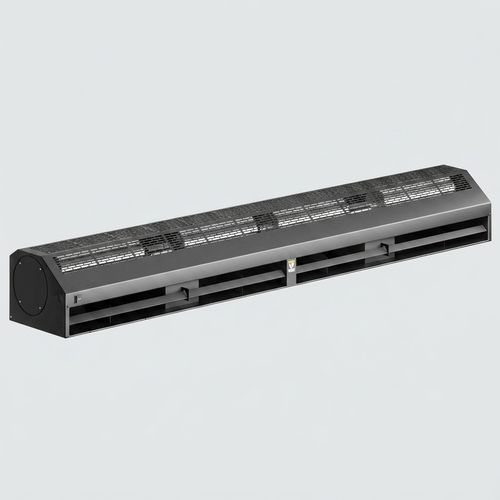
Mount this 72-inch curtain over a propped delivery door and a 2,943 CFM stream holds the conditioned air in. The plunger switch starts it on open and stops it on close, so no one touches a control.
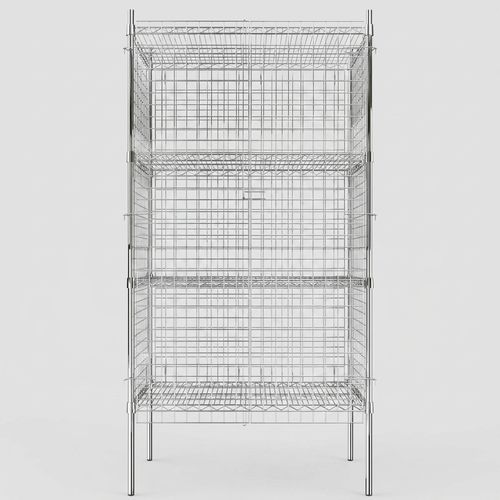
Lock high-value stock behind an NSF-certified chrome wire cage that stands 74 inches on three shelves. The freestanding floor-mount kit assembles without tools for a back-room corner.
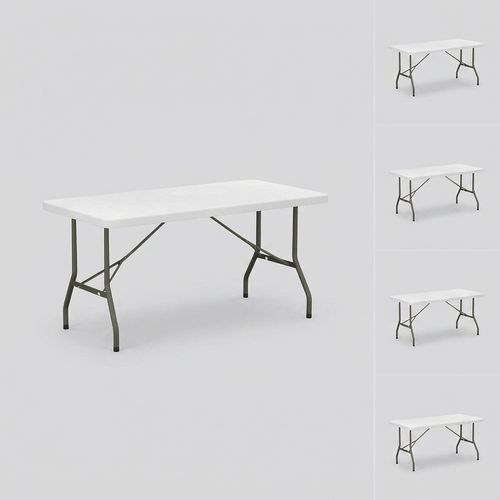
Set a banquet line in minutes with five high-impact polyethylene tops on powder-coated steel frames. Retaining clips lock the folding legs so they will not drop open in the storage truck.
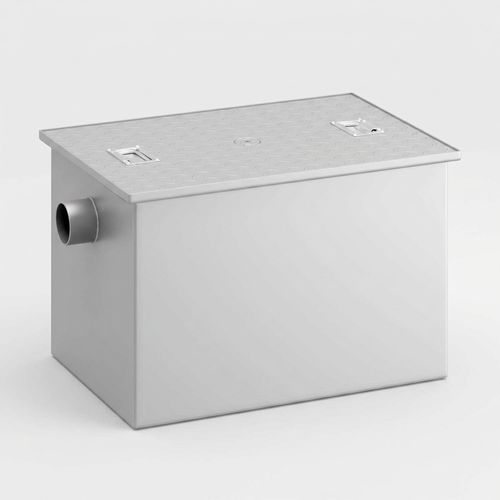
Meet kitchen code on the drain line with a 30-lb trap rated for a 15 GPM flow. A removable baffle pulls out for cleaning, and the 2-inch non-threaded connections drop onto existing lines.
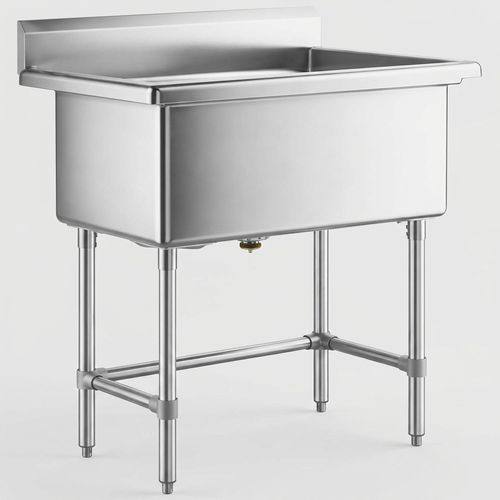
Drop a stockpot into the 12-inch-deep 16-gauge Type 304 basin and it shrugs off the hit without denting. Galvanized legs set a comfortable working height, and a backsplash shields the wall.
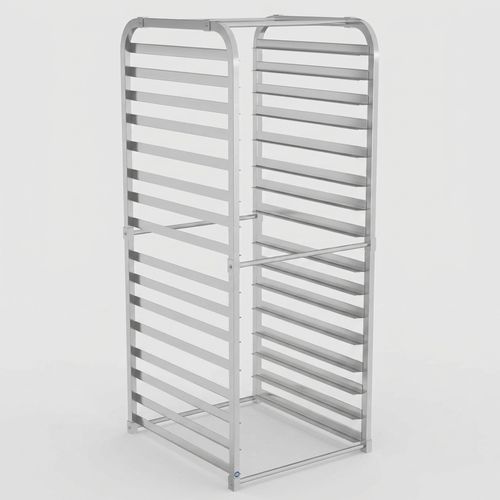
Slide 16 sheet pans into a lightweight aluminum rack that fits a reach-in or a tight back hallway. Pre-drilled components let one person assemble it without a fabrication shop.
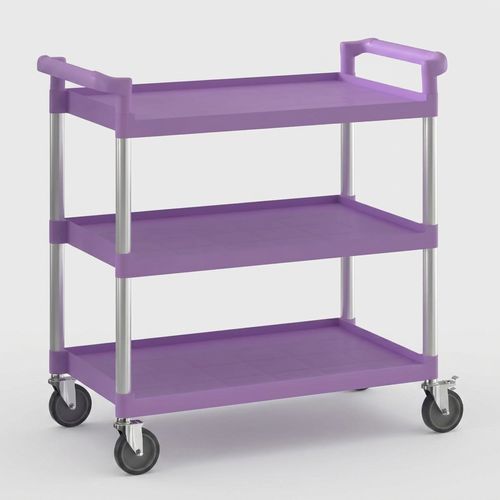
Load two bus tubs per shelf and clear a closing-shift dish pile in one trip instead of three. Two locking swivel casters hold the 450-pound load steady at the dish pit on wet tile.
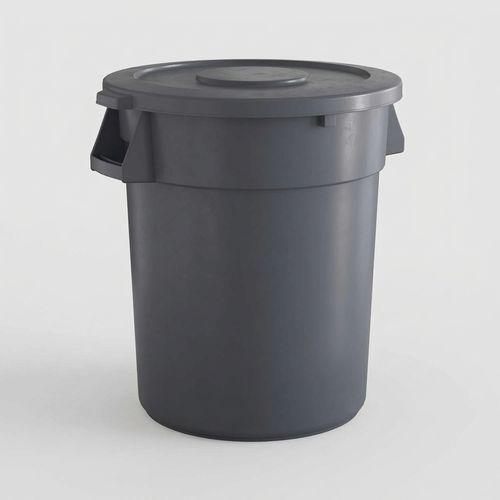
Drag this NSF-certified resin bin across concrete to the dumpster daily and the reinforced base holds the seam. Store bulk flour or grain inside, USDA-compliant and easy to sanitize.

Bag ice through a busy bar week and the 1.75-mil plastic takes the jagged edges without splitting. Twist ties come in the case, and the added metallocene holds strength in the freezer.
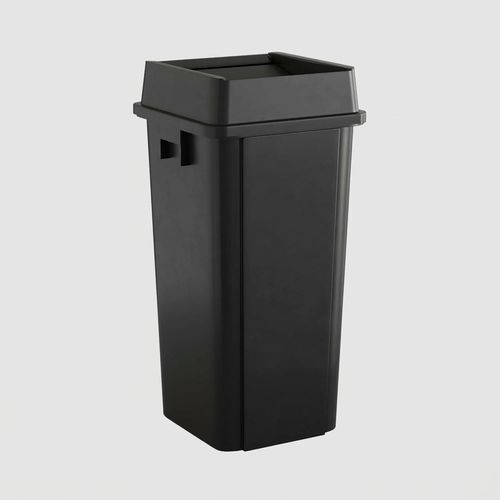
Slide this 35-inch-tall square can into a tight prep aisle where a round bin wastes floor. Crack-resistant plastic and hands-free swing flaps seal odors through a high-traffic shift.
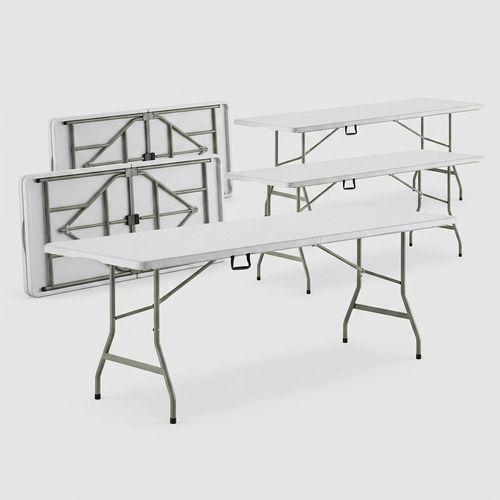
Fold a 96-inch table in half by its carry handle and one person sets the whole banquet line solo. The 20-gauge powder-coated legs hold 200 pounds of chafing dishes, and it ships assembled.
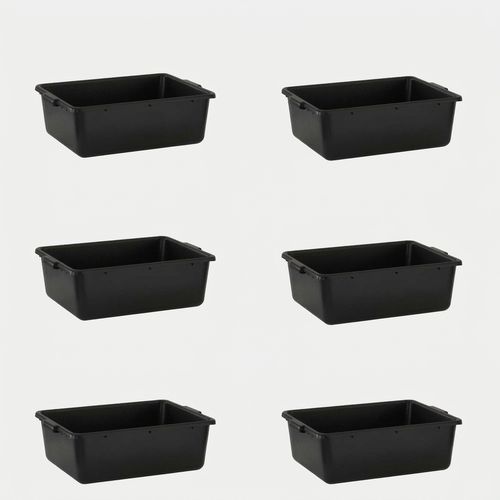
Stack a full load of dinnerware in these polypropylene tubs and the reinforced handles carry it without bowing. The 6-pack nests into one footprint and goes freezer-safe for prep storage.
No equipment in this category yet.
Commercial gear should not need an installer for a sink or a folding table. The path from order to a working line stays short.
Size the bin, sink, or table to your traffic, floor space, and the load it carries daily.
Confirm the NSF mark for food contact and the steel gauge before you commit to a model.
Place the order online and track ships-within-days stock straight to your loading dock.
Bolt the legs, snap the lid, or unfold the table; most units arrive ready for the same shift.
Specs matter most under load. These jobs show where the build either holds or fails by closing time.
The Friday rush wants pizza at 550 and focaccia at 400, and one shared thermostat ruins both. The double-deck oven runs two independent chambers on a cordierite deck, each holding its own temperature from 150 to 840 degrees. The bottom deck crisps an 18-inch thin crust while the top proofs dough.
Summer deliveries prop the back door for twenty minutes and the line cooks feel the heat roll in. The 72-inch air curtain drops a 2,943 CFM barrier the moment the door opens, triggered by a plunger switch. Conditioned air stays inside, and flies stay out, with no staff touching a control.
The closing shift carries tubs of dishes one armload at a time, and stacks slide off at the swinging door. The purple utility cart fits two bus tubs per shelf across three shelves, holding up to 450 pounds. Swivel casters with two brakes hold it steady at the dish pit.
A caterer setting a banquet alone fights tables that need two people and a storage closet. The 30-by-96 bi-folding table ships assembled, folds in half with a carry handle, and holds 200 pounds across its 1.5-inch top. One person sets the line and stores it upright behind a door.
A side-by-side read on where commercial-grade construction pays back the price difference.
| What you check | Krollen commercial-grade | Generic budget gear |
|---|---|---|
| Trash can body | Crack-resistant resin, reinforced base | Thin-wall plastic, splits at the seam |
| Sink steel | 16-gauge Type 304 stainless | 18-gauge, dents and pits |
| Food-contact certification | NSF-certified, USDA-compliant resin | Often uncertified |
| Cart capacity | 450 lb across three shelves | Buckles past a single loaded run |
| Replacement parts | Replaceable casters and components | Whole-unit replacement only |
| Return coverage | 30-day return window through the retailer | Varies, often final sale |
A commercial order should arrive ready for the shift, not the workbench. Here is the first week with a Krollen unit.
Slide the sink or cart out of the carton and check the basin and welds against the spec sheet. The 30-day return window starts here, so test the keypad, lid, or caster brakes before the first shift.
Bolt the galvanized sink legs to the floor, snap the bin lid on, or unfold the banquet table. Most units ship assembled, so a wrench and a few minutes put the gear on the line.
Run bulk flour through the NSF-certified resin bin and push a loaded cart past the dish pit. The reinforced base and locking casters hold through a full closing shift on wet tile.
Commercial gear earns trust under load. Here are the failure stories buyers fear, matched to the build detail that answers each one.
Thin bins split at the seam after a week of concrete drags. The 32-gallon round can rides on a reinforced, crack-resistant resin base, rated 4.9 stars across 22 reviews from operators who haul it daily.
Cheap 18-gauge bowls pit where standing water sits. The utility sink uses 16-gauge Type 304 stainless, the corrosion-resistant grade that wipes clean and shrugs off a dropped stockpot.
An undersized trap triggers a citation. The 30-lb interceptor holds a 15 GPM flow rate with a removable baffle and 2-inch connections, meeting kitchen code on the drain line.
Disposable gear forces a full rebuy over one wheel. Krollen carts use replaceable swivel casters, and a 30-day return window through the retailer covers a unit that arrives damaged in freight.
Built for operators who measure equipment in seasons, not weeks. A few honest notes on fit.
Runs a high-traffic kitchen where waste cans split by summer. Wants crack-resistant resin and a reinforced base that survives daily drags to the dumpster.
Sets and strikes event lines alone. Needs bi-folding tables with a carry handle that one person moves, plus storage that tucks upright behind a door.
Lost points on grease and storage last visit. Wants an NSF-certified bin and a code-rated interceptor that the inspector signs off without a second trip.

Krollen Industrial makes commercial foodservice and janitorial equipment, rated up to 4.9 stars across roughly 142 verified buyer reviews. The build choices answer one question: what fails first in a busy kitchen, and how do you stop replacing it.
A church-kitchen buyer ordered the 23-gallon square can and called it an investment that should last a lifetime, where the lightweight retail bins it replaced cracked within a season. The reinforced base and crack-resistant resin carry that kind of daily abuse, and a 30-day return window backs the first shift.
Bins, sinks, bus tubs, carts, banquet tables, grease interceptors, and a double-deck oven all carry the same standard: a printed NSF mark where food touches, a measurable steel gauge, and parts you can replace instead of discard.
Read the full Krollen storyStraight answers on steel gauge, NSF certification, durability, and setup, pulled from the questions buyers raise most.
Yes. The 32-gallon round can is built from crack-resistant resin with a reinforced base made for dragging and daily wear, and it holds a 4.9-star rating across 22 verified reviews. Operators who haul it over concrete to the dumpster report the seam stays intact where thin-wall bins split.
The utility sink uses 16-gauge Type 304 stainless, a heavier gauge than the 18-gauge steel on residential bowls. Drop a full stockpot into the 12-inch-deep basin and it absorbs the hit, where thinner steel dents and traps grime in the crease.
The 32-gallon round bin is NSF-certified and USDA-compliant, so it is rated for bulk ingredients like flour, rice, or grain. The non-staining resin wipes clean and sanitizes, which is what an inspector checks for food-contact storage.
Yes. The double-deck oven runs two independent chambers, each with its own controls, across a 150 to 840 degree range. Bake an 18-inch pizza at 550 in the bottom deck while the top proofs dough at 400, with no shared thermostat forcing a compromise.
Type 304 stainless carries more chromium and nickel than residential-grade steel, which is what resists the rust and pitting that ruin cheaper bowls. The 16-gauge thickness on the utility sink adds rigidity, so the basin holds shape under a dropped pan instead of flexing.
Several commercial-grade models carry NSF certification, the sanitation standard restaurant kitchens are inspected against. Check the individual model documentation for the printed NSF mark if your facility requires it for a specific piece, such as the wire security cage or a storage bin.
The 23-gallon square can measures roughly 16 by 16 inches at the base and stands 35 inches tall, so the compact footprint slots into a tight prep aisle. The square shape wastes less floor than a round can of the same capacity, and the nesting design lets you stack spares when not in use.
The purple utility cart uses swivel casters, two with brakes, that swap out as a part rather than forcing a new cart. Pair that with the 30-day return window through the retailer, and a worn wheel costs a caster, not a 450-pound rebuy.
The bi-folding banquet table uses a secure locking system on the frame, and removable crossbars store under the top on built-in clips. The 20-gauge powder-coated legs hold 200 pounds of chafing dishes without flexing across the 30-by-96 surface.
The 72-inch air curtain runs at 74 to 76 decibels on its two speeds, close to a busy dining-room hum. The lower speed suits a single service door, while the high setting covers a wide loading bay, and the plunger switch shuts it off when the door closes to cut runtime.
The cart carries up to 450 pounds across three 31-by-19-inch shelves, with two locking casters that hold it steady at the dish pit. Keep heavier tubs on the lower shelf to lower the center of gravity, and the swivel casters track straight on wet tile.
The utility sink stands freestanding on galvanized steel legs set to a comfortable working height. Level the legs on the floor, secure the leg feet if your facility requires it, and connect the included 3.5-inch basket strainer to the 1.5-inch IPS drain. A single-hole deck faucet mounts separately.
The resin bins use crack-resistant construction rated for commercial and industrial environments. Cold lowers impact tolerance in any plastic, so let a bin warm before a hard drag in freezing conditions, and the reinforced base still resists the cracking that splits thin-wall cans.
The 9-gallon bus tubs use polypropylene that handles dish heat and is freezer-safe for prep storage. The stackable design nests a 6-pack into a tight footprint, and the reinforced handles carry a heavy load of dinnerware without bowing.
Rust on stainless usually comes from iron particles left by steel wool or a shared cleaning pad, not the steel itself. Wipe the Type 304 surface with the grain using a soft cloth, rinse off chloride cleaners, and dry standing water in seams. Stored dry, the 16-gauge basin stays clean for years.
Yes. The bus tubs are designed to stack inside one another empty, and the textured exterior keeps them from binding. A 6-pack collapses into the floor space of a single tub, which clears the prep counter between shifts.
The utility sink uses 16-gauge Type 304 stainless, the corrosion-resistant grade specified for foodservice. The wire security cage uses chrome-finished metal rated for heavy commercial storage. Each product page lists the gauge and material so you can match the spec to your facility.
The square can uses swing flaps that conceal waste and seal odors, while the round NSF can uses a snap-on lid that buyers report stays seated with no water leaks. A built-in bag cinch holds the liner so it does not slip down when the lid swings.
The carts use replaceable casters, and the folding tables use removable crossbars and leg hardware. Commercial gear is built around serviceable parts rather than a sealed disposable body, so a worn component is a part order, not a full replacement.
Some bins ship the lid in a separate box that can arrive a day or two after the can, which has surprised a few buyers. The lid is included in the order; if it lags the can, customer support confirms the second shipment. Check both tracking numbers before assuming anything is missing.
The 20-lb ice bags use 1.75-mil plastic with added metallocene for strength against jagged edges, which is built for ice rather than glass disposal. For sharp waste, double-bag and use a rigid commercial bin; the bags resist tearing but are not a puncture-proof sharps container.
Compare three things: steel gauge or resin construction, the printed NSF mark for food contact, and whether parts are replaceable. Krollen lists 16-gauge Type 304 steel, NSF-certified resin, and serviceable casters, where generic gear often hides the gauge and sells as a sealed unit. Still deciding? Compare the spec table above.
The 9-gallon bus tub measures 20 by 15 by 7 inches and uses reinforced handles built to carry the heaviest dinnerware loads. Keep loads balanced over the handles, and the polypropylene body flexes without cracking under a full tub of plates.
Size the bin, sink, table, or appliance to your traffic and load, then check the current listing.
Browse every commercial-grade model